 708 580-7601

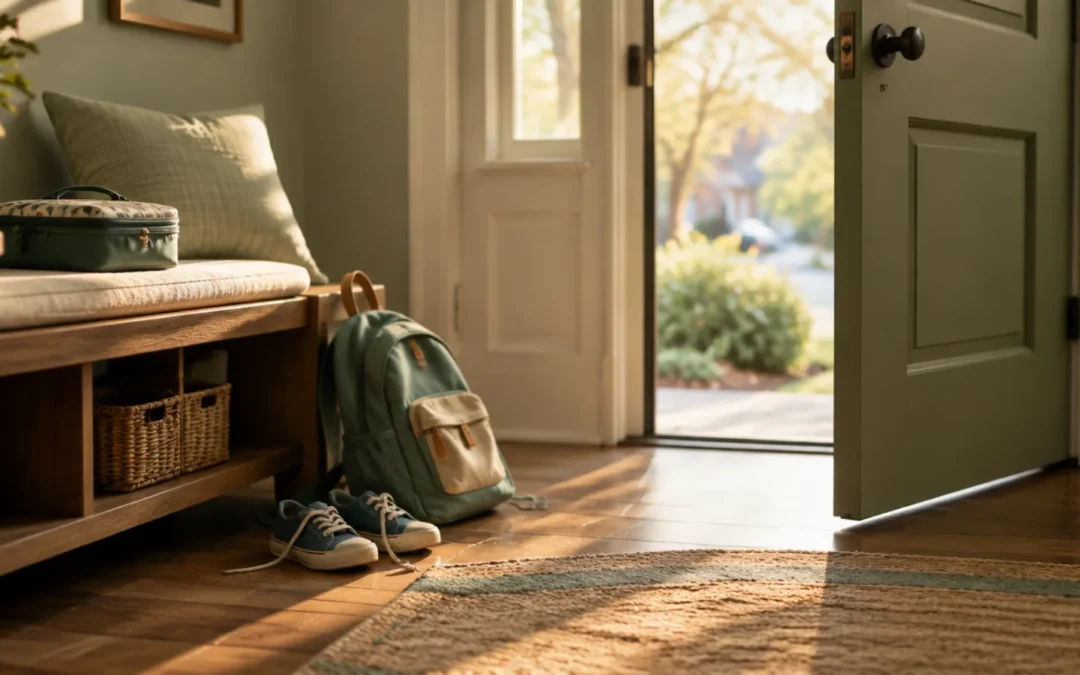
It starts on a Sunday night. A stomachache that wasn’t there at dinner. Then Monday morning brings a headache, tears over the wrong socks, and a kid who won’t put their shoes on no matter what you say. You get them to the car (maybe). You get them to the door (maybe). And by 10am the school nurse is calling to say they want to come home.
If that’s been your mornings lately, you’re not a bad parent and your child isn’t just being dramatic. What you’re seeing has a name: school refusal. It’s more common than most parents realize, it’s very treatable, and the sooner you get a handle on it, the easier it is to turn around.
Here’s what it is, what usually drives it, and what actually helps.
What school refusal is (and what it isn’t)
School refusal is when a child or teen has real emotional distress about going to school, enough that they fight it, avoid it, or can’t get through the day once they’re there. It isn’t a diagnosis on its own. Think of it more like a symptom, a sign that something underneath is making school feel unbearable.
It also isn’t the same as skipping. A teen who cuts class to hang out at the mall usually isn’t upset about it and doesn’t tell you. A kid with school refusal is usually miserable about it, usually home (or wants to be), and usually wishes they could just go like everyone else.
It can look different depending on age:
- Younger kids tend to cry, cling, melt down at drop-off, or complain of stomachaches and headaches on school mornings that disappear by Saturday.
- Tweens and teens are more likely to oversleep, “miss” the bus, beg for mental health days, text you from the bathroom asking to be picked up, or quietly stop going to certain classes.
None of this means your child is manipulating you. The fear is real to them, even if the reasons don’t make sense to you yet.
Signs it’s more than a bad week
Every kid has mornings where they don’t want to go. A big test, a fight with a friend, a Monday after a long weekend. That’s normal. What you’re watching for is a pattern. A few things that tell you it’s time to take it seriously:
- Physical complaints (stomachaches, nausea, headaches) that show up on school days and fade on weekends and breaks
- The dread starts the night before, sometimes on Sunday afternoon
- Mornings have turned into a daily battle, and you’re running late more than you’re on time
- Frequent trips to the nurse, or calls asking to come home
- Absences or late arrivals that are adding up, even if each one had a “reason”
- Your child is fine, even happy, once they know they’re staying home
- They’re avoiding specific things: the lunchroom, gym class, the bus, one particular teacher
If you’re checking off several of these, and it’s been going on for more than a couple of weeks, don’t wait for it to pass. School refusal tends to get harder to fix the longer a child is out, because every day away makes going back feel bigger.
One practical note: if your child has a lot of physical symptoms, it’s worth a visit to the pediatrician first. Ruling out a medical cause gives everyone peace of mind, and it makes it easier to tackle the emotional side with confidence.
What usually sits underneath
School refusal almost always has a “why,” even if your child can’t name it. Sometimes they genuinely don’t know. Sometimes they know and are embarrassed to say. The most common drivers we see:
Anxiety. This is the big one. It might be general worry, social anxiety (fear of being judged, called on, or eating in front of others), panic attacks, or performance pressure around grades and tests. Our post on telling normal worry apart from anxiety goes deeper on this.
Separation anxiety. Especially in younger kids, the problem isn’t school so much as being away from you. If drop-off is the hardest part of the day, read our guide to separation anxiety in children.
Something happening at school. Bullying, a falling-out with a friend group, an embarrassing moment that went around, a teacher they feel singled out by. Kids don’t always tell parents about these things, so it’s worth asking gently and more than once.
Learning struggles. A kid who’s quietly falling behind in reading or math may start avoiding school to avoid feeling stupid. If you suspect this, you can ask the school in writing for an evaluation.
Depression. In teens especially, refusing school can be part of a bigger picture: low energy, pulling away from friends, sleeping all day, losing interest in things they used to like. Here’s what to watch for with depression in teens.
Big changes at home. A move, a divorce, a new sibling, a sick family member, a death. When home feels uncertain, some kids want to stay close to it.
Often it’s more than one of these at once. That’s normal too, and it’s a big part of why an outside set of eyes can help.
What helps at home (and what backfires)
This part is hard, because the most loving instinct, letting them stay home when they’re this upset, is usually the one that makes it worse. Staying home brings instant relief. And that relief teaches the brain that avoiding school is what makes the scary feeling go away. Tomorrow, the feeling is bigger.
So the goal isn’t to force them through the door kicking and screaming. It’s to keep them moving toward school, in steps they can actually manage, while you take their feelings seriously.
What tends to help:
- Name it without arguing about it. “I can see you’re really scared. I believe you. And you’re still going, and I’m going to help.” Both things can be true.
- Keep mornings boring and predictable. Same wake-up time, same routine, clothes and backpack ready the night before. Less to negotiate means less to fight about.
- Make home on a school day pretty dull. If they do stay home, no screens, no video games, no special lunch. Home shouldn’t feel like a reward.
- Think in partial wins. If a full day feels impossible, start with getting to school for first period, or arriving after lunch. A partial day beats a missed day.
- Praise the effort, not just the outcome. “You got out of the car even though you were scared” matters more right now than a perfect attendance week.
- Look after your own stress. Kids read our faces. If you’re dreading the morning too (and who wouldn’t be), it helps to have your own support.
What tends to backfire: long reassurance sessions every morning (they often feed the worry), lectures about consequences, threats you won’t follow through on, and letting “just one more day” quietly turn into a week.
Work with the school, not around it
A lot of parents try to handle this quietly, partly out of embarrassment. But the school can be one of your biggest allies, and they’ve almost certainly seen this before.
Reach out to the school counselor or social worker early. Ask for a short meeting. Things worth talking through:
- A “safe person” your child can check in with when they arrive or when things get rough
- A calm spot to go for a few minutes instead of heading straight to the nurse or calling home
- A plan for missed work so falling behind doesn’t become one more reason to avoid school
- Whether accommodations make sense, such as a later start, modified schedule, or a 504 plan if anxiety or another condition is getting in the way of learning
If you’re in Tinley Park or the surrounding area (Orland Park, Oak Forest, Frankfort, Mokena), most districts have a team that handles exactly this. When the school and your child’s therapist are on the same page, progress usually comes faster.
How therapy helps
If school refusal has been going on for a few weeks, or the absences are stacking up, it’s a good time to bring in a therapist who works with kids and teens. Not because you’ve failed. Because this is a hard knot to untie from the inside.
In therapy, your child gets a safe place to figure out what’s actually driving the fear, and then learns real skills to handle it: calming their body when panic hits, talking back to the worried thoughts, and taking small, planned steps back toward the things they’ve been avoiding. Mindfulness is often part of that toolkit, because a kid who can notice what’s happening in their body is a kid who can do something about it.
Parents are part of the work too. You’ll get a clear plan for mornings, language that helps instead of escalating, and someone in your corner when the plan gets tested (and it will).
At Evolve Therapy in Tinley Park, our clinicians, Loi Logan, LCSW, C-DBT, and Alysia Medina, LPC, work with kids, teens, and their parents through:
- Individual 1:1 therapy for kids and adolescents
- Family therapy, when home routines and relationships are part of the picture
- Our teen DBT skills group, where teens practice coping and emotion regulation skills alongside peers who get it
We’re at 7905 W 159th St, Suite C, in Tinley Park, and we see families from across the south and southwest suburbs. We work with a number of Illinois insurance plans, and you can check the list of accepted insurances before you call.
You don’t have to have it all figured out before reaching out. Call us at 708-580-7601 or book a consultation, and we’ll help you work out the next step.
Common questions about school refusal
Is school refusal a mental health diagnosis?
No. It’s a behavior, not a diagnosis. It usually points to something underneath, most often anxiety, but sometimes depression, bullying, learning struggles, or stress at home.
Should I let my child stay home if they’re really upset?
Occasionally, a day at home is fine. But if it’s becoming a pattern, staying home tends to make the fear stronger. Most kids do better with a plan that keeps them moving toward school in small steps.
How long does it take to get a child back to school?
It depends on what’s driving it and how long it’s been going on. Kids who get support early usually get back sooner, which is why it’s worth reaching out once you notice a pattern.
Does Evolve Therapy work with teens who refuse school?
Yes. We see kids and teens in Tinley Park for individual therapy, family therapy, and our teen DBT skills group, and we work with parents throughout.