 708 580-7601
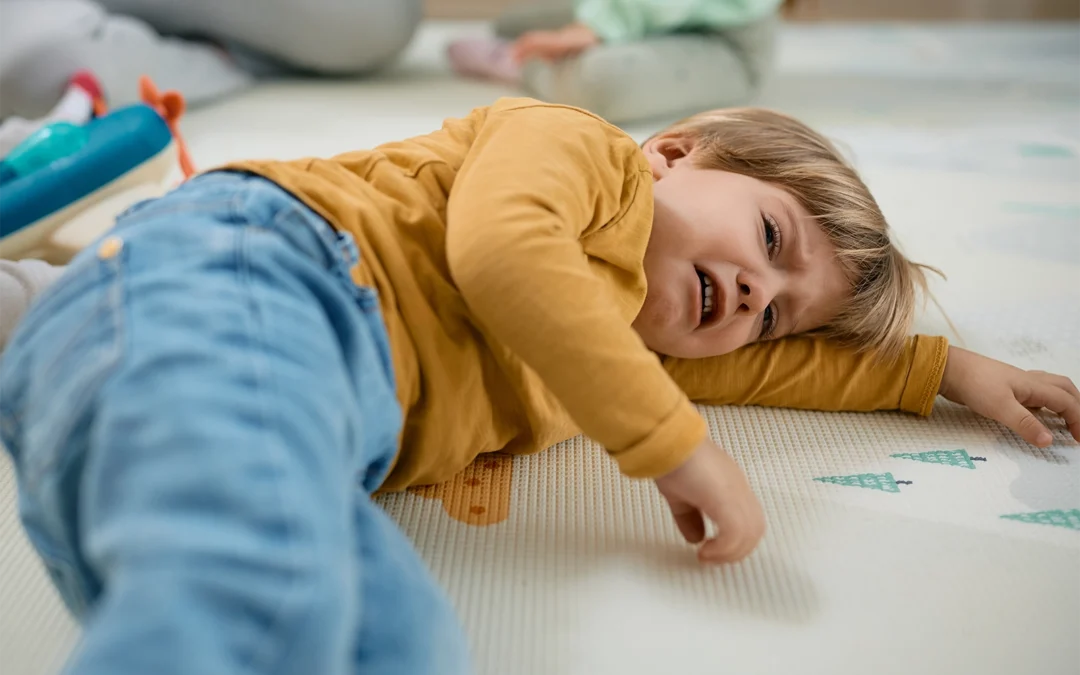
The wrong color cup. A lost board game. The iPad timer going off. Ten minutes of math homework.
Your child goes from fine to full meltdown in about three seconds, and by the time it’s over you’re both exhausted. Maybe you’ve tried calm talks, consequences, sticker charts. Maybe some of it worked for a week.
If that sounds like your house, you’re dealing with emotional regulation, and you’re far from the only parent who is. The good news is that it’s a skill. Kids aren’t born with it, and they can get a lot better at it with the right support.
What is emotional regulation?
Emotional regulation is the ability to notice a feeling, ride it out, and respond in a way that fits the situation. It doesn’t mean never getting upset. It means getting upset and still being able to come back down.
It develops slowly. The part of the brain that handles impulse control and planning keeps maturing well into a person’s twenties. So a seven-year-old losing it over a broken cookie isn’t a sign of bad parenting. Their brain simply isn’t finished yet.
Kids learn this skill in two stages. First they borrow our calm, which is called co-regulation. When a parent stays steady, the child’s nervous system settles too. Over time, with a lot of repetition, they start to calm themselves. That’s self-regulation.
Signs of emotional dysregulation in children
Every kid melts down sometimes. What you’re looking for is a pattern that stands out compared with other kids the same age:
- meltdowns that happen a lot, last a long time, or are much bigger than the trigger
- small frustrations that turn into huge reactions
- a hard time calming down, even with help
- hitting, kicking, throwing things or yelling hurtful things when upset
- shutting down completely instead of exploding
- a lot of trouble with transitions, like leaving the park or stopping a game
- teachers mentioning outbursts or tears at school
- saying things like “I’m bad” or “I hate myself” afterward
Emotional dysregulation isn’t a diagnosis by itself. It can come from a lot of places, including anxiety, ADHD, sensory sensitivities, a learning difference, a stressful change at home, poor sleep or even just hunger. Figuring out what’s underneath is a big part of helping.
Tantrum or meltdown?
Parents often find it useful to tell these apart, even though real life gets messy.
A tantrum usually has a goal. The child wants the candy, and if they get it, the storm tends to stop fast. A meltdown is overwhelm. The child has lost control of their reactions and can’t stop, even if you gave them what they wanted. Meltdowns call for calming and safety first. Teaching comes later.
What to do during a meltdown
In the middle of a big feeling, your child’s thinking brain is basically offline. This isn’t the time for lessons. It’s the time to help their body settle.
Get calm first
This is the hardest part. Lower your voice, slow down, and get down to their eye level if it’s safe. Your calm is the thing they’ll borrow.
Use fewer words
A flooded brain can’t process a lecture. Short and simple works best: “I’m right here. You’re safe.”
Name the feeling
“You’re really mad that we have to leave.” Naming a feeling helps kids make sense of it, and it tells them you get it.
Hold the limit kindly
Feelings are allowed. Hurting people isn’t. “You can be mad. I won’t let you hit.” Move siblings or breakable things out of the way if you need to.
Offer a calming tool you’ve practiced
Squeezing a pillow, blowing out pretend birthday candles, counting slowly, or going to a cozy calm-down corner (a comfort spot, not a punishment). These work much better if you’ve practiced them when everyone was calm.
Wait it out
Sometimes the most helpful thing is just to stay nearby and let the wave pass.
After the storm: how to teach the skill
The real teaching happens later, once everyone’s calm.
Start with repair. A hug, a snack, a “that was hard, huh?” Kids often feel ashamed after a big meltdown, and reconnecting first tells them the relationship is safe.
Then talk it through, briefly. What happened? What did your body feel like? What could you try next time? Keep it short and curious, not a lecture.
Build their feelings vocabulary. Kids who only have “mad” and “sad” have fewer options. Words like frustrated, disappointed, embarrassed and nervous help them make sense of what’s going on inside.
Try a feelings scale. Ask your child to rate their feeling from 1 (calm) to 5 (volcano). It helps kids notice anger building before it explodes, which is when calming tools actually work.
And model it yourself. “I’m feeling frustrated that we’re late, so I’m going to take three deep breaths.” Kids learn more from watching you than from anything you tell them.
Everyday things that make a difference
A lot of meltdowns aren’t really about the cup or the game. They’re about a tired, hungry or overloaded kid.
Protect sleep, and keep regular snacks on hand (hungry kids melt down faster). Give warnings before transitions, like “five more minutes, then shoes on.” Keep daily routines predictable, and build in some unstructured downtime. Short mindfulness practices, like a minute of noticing sounds or slow belly breathing at bedtime, give kids a calm they can return to later.
When to get help
Consider talking to a therapist if meltdowns are frequent and intense for your child’s age, if your child is hurting themselves or others, if the school is calling regularly, if the whole family is walking on eggshells, or if your child often talks about hating themselves. A sudden change in how your child handles emotions is also worth a closer look. Our post on telling normal worry from anxiety can help if you suspect anxiety is part of the picture.
How therapy helps with emotional regulation
A therapist starts by figuring out what’s driving the big reactions, whether that’s anxiety, attention issues, sensory stuff, stress at home or something else. From there, they teach your child regulation skills through play, practice and repetition, in a way that makes sense for their age.
Parents get coached too, because the calmest therapy hour in the world won’t help much if the tools don’t carry over at home. Family therapy can also help break patterns where everyone’s reactions feed off each other.
For kids 12 and up whose emotions still run very hot, our DBT skills group teaches emotion regulation as one of its core skill areas, alongside ways to get through tough moments and handle relationships.
Help with big feelings in Tinley Park
At Evolve Therapy, we help kids ages 5 to 18 and their parents build the skills to handle big emotions. We offer 1:1 therapy, family therapy and a weekly teen DBT skills group from our office at 7905 W 159th St in Tinley Park, serving families from Orland Park, Oak Forest, Mokena, Frankfort and nearby suburbs.
If meltdowns are running your household, book an appointment or call us at 708-580-7601.
Frequently asked questions
At what age do kids learn to regulate emotions?
It happens gradually through childhood and keeps developing into early adulthood. Kids make big strides in the early school years, but every child moves at their own pace. Some need more practice and support than others.
Is emotional dysregulation a sign of ADHD?
It can be. Trouble with emotional regulation is common in kids with ADHD, but it also shows up with anxiety, sensory differences, stress and other things. If you’re wondering, talk with your pediatrician about an evaluation.
Are meltdowns normal at 8 or 9 years old?
Occasional meltdowns are normal at any age, especially when a child is tired, hungry or overwhelmed. If they’re frequent, intense or getting worse, it’s worth getting some support.
Should I punish my child for meltdowns?
Focus on safety and teaching rather than punishment. The feeling itself isn’t the problem. If your child hurts someone or breaks something, a calm, brief consequence can make sense once everyone’s settled, like helping clean up or making a repair.